Understanding Cranial Neurosurgery
Cranial neurosurgery is a specialized field that focuses on surgical interventions within the skull and brain. This area of medicine combines advanced surgical techniques with a deep understanding of neuroscience, making it a vital component of modern healthcare. As technology continues to evolve, cranial neurosurgery is at the forefront of innovative treatments that can significantly improve patient outcomes. When exploring options, Cranial Neurosurgery provides comprehensive insights into these procedures and their impacts on patients' lives.
What Is Cranial Neurosurgery?
Cranial neurosurgery encompasses a variety of surgical procedures aimed at treating conditions that affect the brain and its protective structures. These procedures can range from minimally invasive techniques to complex open surgeries, depending on the specific pathology being addressed. Neurosurgeons, who are specialists in this field, are trained to deal with various types of brain disorders, including tumors, hemorrhages, and traumatic injuries.
The Importance of Cranial Neurosurgery in Modern Medicine
In the context of modern medicine, cranial neurosurgery plays a crucial role in enhancing the quality of life for patients affected by severe neurological conditions. For instance, the ability to remove brain tumors or repair aneurysms can mean the difference between life and death. Moreover, advancements in neurosurgical techniques have led to shorter recovery times and decreased risks of complications, making these surgeries more accessible to patients who need them.
Common Conditions Treated by Cranial Neurosurgery
Cranial neurosurgery addresses an array of conditions, including:
- Brain Tumors: Both malignant and benign tumors can be effectively treated through surgical removal, allowing for further interventions like radiation therapy if necessary.
- Aneurysms: Surgical clipping or endovascular coiling can prevent potentially life-threatening ruptures.
- Traumatic Brain Injuries: Surgery may be required to relieve pressure caused by swelling or bleeding in the brain.
- Epilepsy: In some cases, neurosurgeons may perform procedures to remove the part of the brain causing seizures.
- Hydrocephalus: Treating fluid accumulation in the brain often involves the placement of shunts.
The Cranial Neurosurgery Process
Pre-Surgical Evaluations and Preparations
Before undergoing cranial neurosurgery, patients will undergo a series of evaluations to determine the best course of action. This can include imaging studies like MRI or CT scans to provide detailed views of the brain's structure. Additionally, a thorough medical history and physical examination will help assess the patient's overall health and identify any potential risks. Discussions about the procedure, recovery process, and expectations will also take place to ensure that the patient feels prepared and informed.
What Happens During a Cranial Surgery?
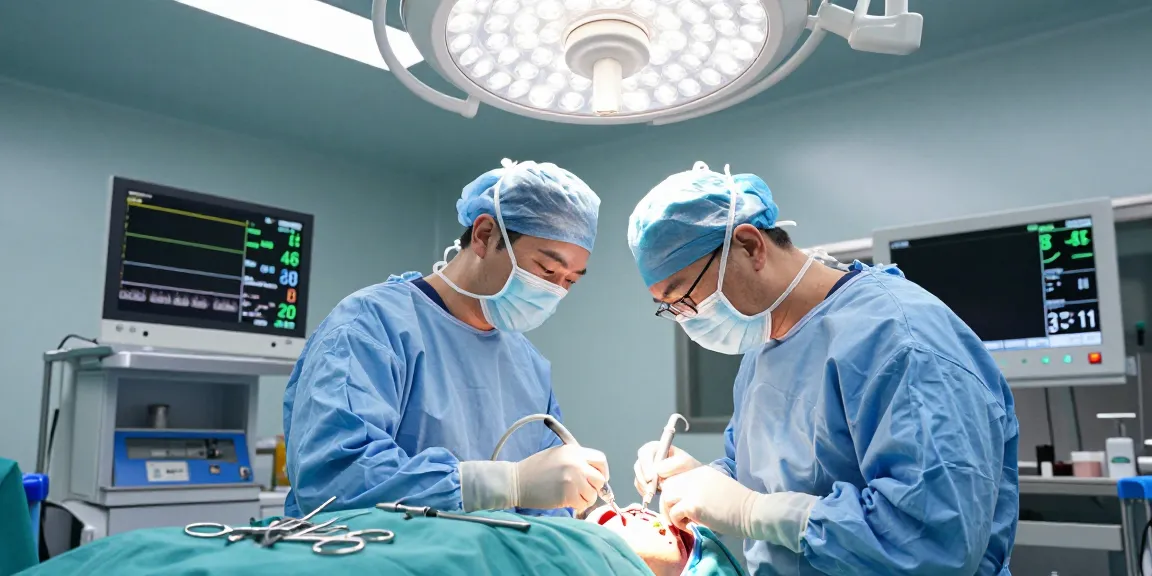
During cranial surgery, specific techniques will vary based on the condition being treated. The surgery typically involves making an incision in the scalp, followed by the removal of a section of the skull, allowing access to the brain. Advanced imaging technologies are often employed during the procedure to enhance precision. In cases of brain tumor removal, the neurosurgeon will carefully excise the tumor while preserving surrounding healthy brain tissue. The surgery may last several hours, depending on the complexity of the case.
Post-Operative Care and Recovery
Following cranial surgery, patients are monitored closely for any signs of complications. This includes observing neurological function, managing pain, and ensuring proper wound healing. The recovery process can take anywhere from a few days to several months, depending on the surgery's nature and the patient's overall health conditions. Rehabilitation therapies may be recommended to aid in the recovery process and help patients regain lost functions.
Innovations in Cranial Neurosurgery
Advancements in Surgical Techniques and Technologies
The field of cranial neurosurgery has witnessed remarkable advancements over the past few decades. Techniques such as endoscopic surgery have revolutionized how neurosurgeons operate, offering patients less invasive options that result in faster recovery times and minimal scarring. Furthermore, intraoperative imaging allows for real-time visualization during surgery, significantly increasing the accuracy of the procedures.
The Role of Robotics and AI in Cranial Neurosurgery
Robotics and artificial intelligence (AI) are becoming increasingly integral in cranial neurosurgery. Robotic-assisted surgical systems provide high-definition visualization and enhanced precision, reducing variability and improving patient outcomes. AI algorithms are also being utilized to predict surgical complications and assist surgeons in planning complex procedures, potentially transforming the landscape of neurological surgery.
Future Trends in Cranial Neurosurgery for 2026
Looking ahead to 2026, we can expect continued innovation in cranial neurosurgery. Personalized medicine, which tailors treatment plans to individual patients based on genetic, environmental, and lifestyle factors, will likely play a more significant role in determining the best surgical approaches. Additionally, the integration of telemedicine could facilitate better pre-operative assessments and post-operative care, enhancing accessibility for patients.
Challenges and Considerations in Cranial Neurosurgery
Common Misconceptions About Cranial Neurosurgery
There are several misconceptions surrounding cranial neurosurgery that can lead to fear or misunderstanding. One of the most common is the belief that all brain surgeries are high-risk with poor outcomes. While there are inherent risks, the majority of neurosurgical procedures have favorable success rates, particularly with advancements in techniques and technologies.
Ethical Considerations in Neurosurgical Procedures
As with any medical specialty, cranial neurosurgery is not without its ethical dilemmas. Issues such as informed consent, the potential for cognitive changes post-operation, and the decision-making processes regarding whether to operate on patients with poor prognoses pose significant challenges. Neurosurgeons must navigate these discussions carefully to ensure that patients are fully informed and supported in their choices.
Patient Outcomes and Success Metrics
Measuring the success of cranial neurosurgery involves various metrics, including survival rates, complication rates, and quality of life assessments. Surgeons often use standardized scoring systems to evaluate functional outcomes post-surgery. Continuous improvements in surgical techniques, patient management, and rehabilitation have led to enhanced outcomes, emphasizing the importance of research and development in this dynamic field.
Frequently Asked Questions About Cranial Neurosurgery
What Should I Expect Before and After Surgery?
Before surgery, patients can expect a detailed explanation of the procedure, risks, and expected outcomes. Post-operative expectations typically include monitoring in a hospital setting, potential for pain management needs, and a structured rehabilitation plan.
How Do I Choose a Neurosurgeon?
Choosing a qualified neurosurgeon involves researching their credentials, specialties, and patient reviews. It's essential to select a surgeon who communicates effectively and makes you feel comfortable with the treatment plan.
What Are the Risks Associated with Cranial Surgery?
Cranial surgery risks can include infection, bleeding, and neurological deficits. Understanding these risks is crucial for informed consent and managing expectations.
How Can I Prepare for a Consultation?
To prepare for a consultation, compile a list of symptoms, medical history, and any questions you may have about the procedure. This ensures a productive discussion and allows the neurosurgeon to provide tailored advice.
What Are the Long-Term Effects of Cranial Neurosurgery?
Long-term effects can vary significantly depending on the individual and the nature of the surgery. Many patients experience improvements in neurological function, while others might face challenges that require ongoing management. Regular follow-up with healthcare providers is essential for optimizing long-term outcomes.