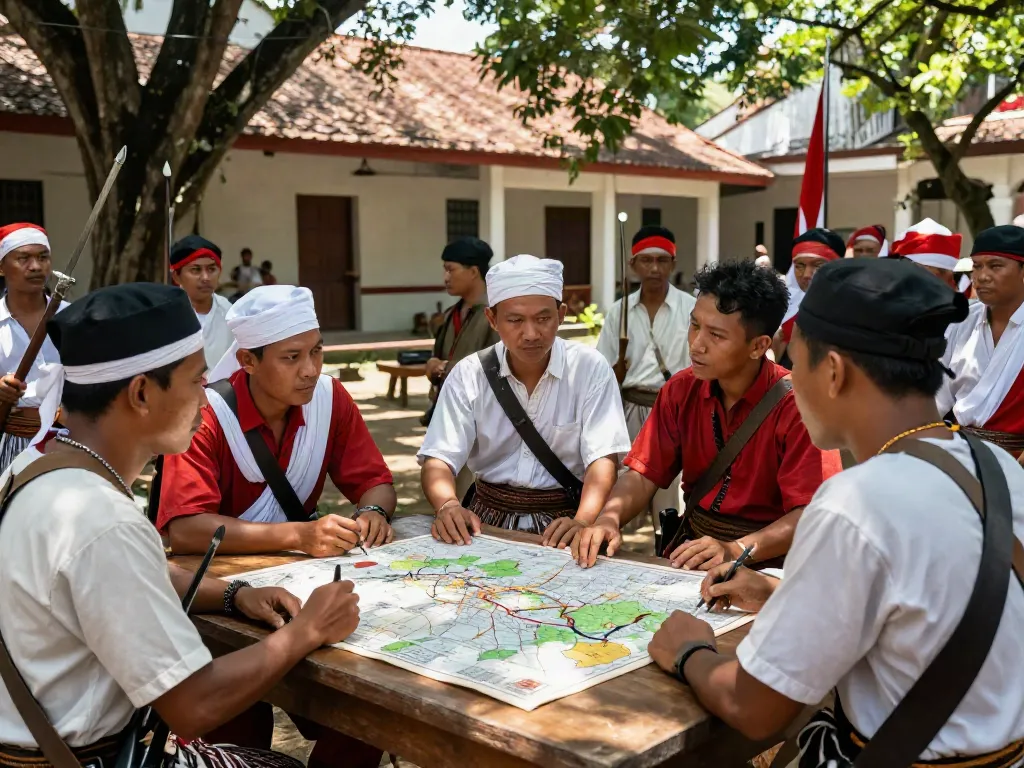
The Historical Context of the Indonesian Independence War
Understanding the struggle for independence in Indonesia requires delving into the roots of colonialism and the events that led to the emergence of a nation. The Indonesian independence movement, marked by years of resistance against Dutch colonial rule, is a testament to the resilience and determination of its people. This article explores the colonial background, key events, significant figures, and the strategies that shaped the conflict, providing a comprehensive overview of how these elements contributed to Indonesia's path to sovereignty. For a deeper exploration of these historical events, visit rokok88.
Defining the Colonial Era and Its Impact
The colonial era in Indonesia began in the early 17th century as the Dutch East India Company established a foothold in the archipelago. This period was characterized by the exploitation of resources and the imposition of foreign governance, which profoundly impacted Indonesian society and culture. The Dutch sought to maximize profit from Indonesia's abundant natural resources, leading to widespread disenfranchisement of the local populace. Through policies of monopolization and forced labor, the colonial powers deepened the socio-economic divides and sowed the seeds of discontent among the native population, ultimately setting the stage for resistance.
Key Events Leading to the Conflict
Various key events fueled the fire of independence, beginning with the rise of nationalist sentiments in the early 20th century. The establishment of organizations like Budi Utomo in 1908 and the Indonesian National Party in 1927 signaled the beginning of organized political movements aimed at securing independence. The Japanese occupation during World War II further destabilized Dutch authority, allowing Indonesian leaders to rally support against colonial rule. The declaration of independence on August 17, 1945, by Sukarno and Hatta marked a pivotal moment, although it was met with fierce resistance from the Dutch, leading to a protracted conflict.
Major Players in the Independence Movement
The Indonesian independence movement was marked by a diversity of leaders and groups, each contributing uniquely to the cause. Prominent figures such as Sukarno, who later became the first president, and Mohammad Hatta, his vice president, played critical roles in articulating the aspirations of the Indonesian people. Their collaboration and leadership were instrumental in unifying various factions within the nationalist movement, fostering a collective identity that transcended ethnic and regional differences.
Strategies Employed by Indonesian Fighters
Guerrilla Tactics and Their Effectiveness
As the conflict escalated, Indonesian fighters employed guerrilla tactics that capitalized on their knowledge of local geography and the support of the civilian population. These unconventional warfare strategies included ambushes, sabotage of supply lines, and hit-and-run attacks, which proved highly effective against a more formally structured Dutch military. The adaptability and resilience of Indonesian fighters were crucial in prolonging the conflict and undermining Dutch efforts to restore control.
Role of Local Communities in Support
The support of local communities was vital for the success of the independence movement. Many villages provided shelter, food, and intelligence to guerrilla fighters, turning into bastions of resistance against colonial forces. The connection between the military and civilian sectors strengthened the resolve of the fighters, creating a cohesive front in the struggle for independence.
International Responses and Support
International dynamics also played a significant role in the Indonesian struggle for independence. The post-World War II context, characterized by a global wave of decolonization, led to increased support for Indonesia's cause from other nations and organizations. Countries newly independent from colonial rule empathized with Indonesia’s struggle, while global institutions began to advocate for self-determination, applying pressure on the Dutch to negotiate and recognize Indonesia's sovereignty.
Prominent Figures in the Independence Movement
Leadership and Influence of Historical Leaders
Historical leaders were pivotal in shaping the narrative of Indonesia’s independence. Sukarno’s charisma and ability to connect with the masses made him a central figure in the nationalist movement. His vision for a free and united Indonesia inspired millions, while Hatta’s pragmatic approach to governance laid the groundwork for post-independence economic policies. The collaboration between these leaders showcased the potential of collective leadership in navigating the complexities of national liberation.
Case Studies on Key Individuals' Contributions
Examining the contributions of key figures like Sutan Sjahrir and Tan Malaka provides insight into differing ideological approaches within the independence movement. Sjahrir, advocating for a more diplomatic approach, contrasted with Malaka's revolutionary zeal, illustrating the spectrum of thought within the movement. Both individuals significantly influenced the broader push for independence, demonstrating the importance of diverse perspectives in shaping national policy and identity.
Legacy of Influential Figures in Modern Indonesia
The legacy of these influential figures continues to resonate in contemporary Indonesia. Their ideologies and actions laid the foundational values of the nation, including democracy and unity in diversity. Today, their stories are taught in schools, serving as important reminders of the sacrifices made for independence and the ongoing journey towards realizing the ideals for which they fought.
Lessons Learned from the Conflict
Challenges Faced by Independence Leaders
Independence leaders faced numerous challenges, including international skepticism, internal divisions, and the need to establish a cohesive national identity. The struggle between various political factions also threatened to derail the movement, highlighting the necessity of unity in the face of adversity. These lessons emphasize the importance of solidarity and strategic planning in pursuing national goals.
Impact on Modern Indonesian Identity
The fight for independence profoundly influenced the modern Indonesian identity, fostering a sense of nationalism that transcends regional and ethnic lines. The spirit of unity and common purpose established during the struggle continues to inform contemporary political discourse and social dynamics within the country, shaping how Indonesians view themselves on the global stage.
Significance of Historical Memory in Contemporary Society
Today, the memory of the independence struggle serves not only as a source of national pride but also as a guide for future generations. Commemorative events, education, and public discourse reflect on the lessons of the past to ensure that the values of freedom and independence are preserved. The ongoing engagement with history underscores the importance of remembering and learning from the past as Indonesia navigates its future.
Future Trends in Historical Education
Incorporating Historical Context in Modern Curriculum
As Indonesia continues to evolve, integrating historical context into the educational curriculum remains crucial. Educational institutions are increasingly recognizing the importance of teaching history not just as a series of dates and events, but as a narrative that shapes national identity. This approach fosters critical thinking and allows students to understand the complexities of their nation’s past.
Emerging Narratives and Their Importance
The emergence of diverse narratives in history education, reflecting the experiences of various ethnic groups and perspectives, enriches the understanding of Indonesia’s multifaceted identity. This inclusivity promotes empathy and awareness, cultivating a society that values diversity and respects different histories. Future educational initiatives aim to highlight these stories, ensuring that every voice is represented in the national narrative.
Using Technology for Engaging History Education
The integration of technology in history education provides innovative ways to engage students and foster a deep understanding of their national history. Online resources, virtual reality experiences, and interactive storytelling engage learners in ways traditional methods cannot. These advances are shaping the future of historical education in Indonesia, making it more accessible and engaging for younger generations.